First trimester pregnancy care is the support and guidance you need during the first 12 weeks of pregnancy. This early stage is vital for both mother and baby. Good care helps prevent problems and supports healthy growth. In this blog, you will learn about first trimester pregnancy care, common symptoms, important checkups, healthy habits, and when to seek help. Following these tips can make a big difference for your pregnancy health.
What is First Trimester Pregnancy Care?
First trimester pregnancy care means taking steps to protect your health and your baby’s health in the first three months. During this time, your baby’s organs start to form. Because of this, early care is very important. You should visit your doctor, follow their advice, and make healthy choices. Early prenatal care can lower the risk of problems and help you feel your best.
Common Symptoms in the First Trimester
Many women notice changes in their bodies during the first trimester. Some symptoms are common and usually not harmful. However, every pregnancy is different. Here are some symptoms you may experience:
Although these symptoms can be uncomfortable, they are usually normal. If you have severe pain or heavy bleeding, contact your doctor right away.
Essential Medical Checkups and Screenings
Early medical visits are a key part of first trimester pregnancy care. At your first appointment, your doctor will:
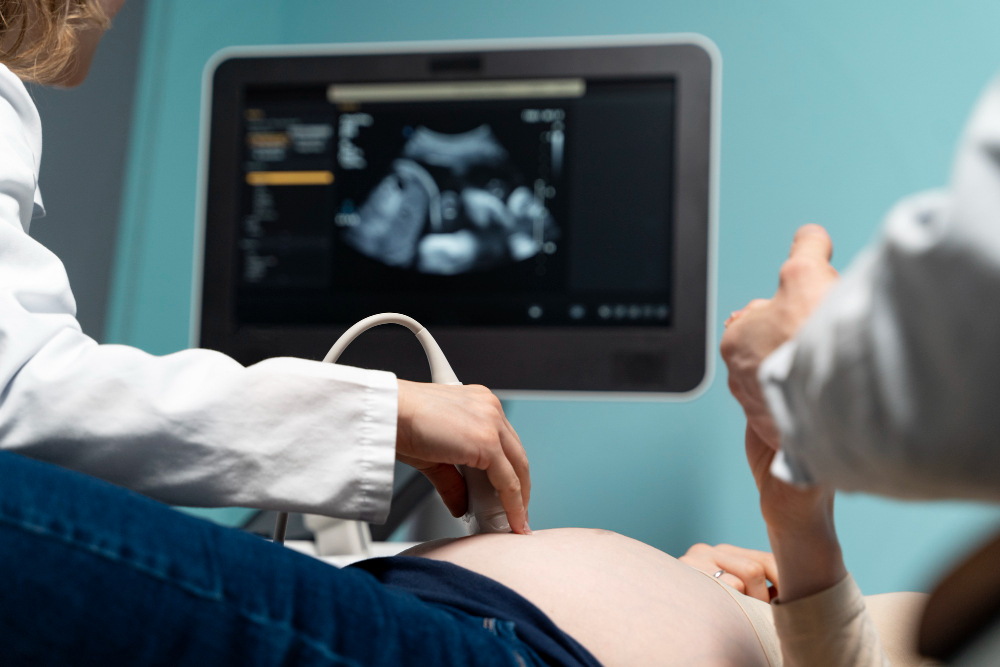
Additionally, your doctor may suggest an early ultrasound. This helps check your baby’s growth and heartbeat. Regular checkups help find and treat any problems early. The CDC and WHO recommend starting prenatal care as soon as you know you are pregnant.
Healthy Lifestyle Tips for the First Trimester
Taking care of yourself is very important in early pregnancy. Here are some tips for a healthy first trimester:
Because your body is changing, you may need to adjust your routine. Always talk to your doctor before starting new activities.
Foods to Eat and Avoid
Eating well supports your baby’s growth. For first trimester pregnancy care, focus on a balanced diet. Here are some foods to eat:
However, some foods should be avoided. These include:
Because food safety is important, always wash fruits and vegetables well. If you have questions, ask your healthcare provider.
Warning Signs: When to Contact a Doctor
Most symptoms in early pregnancy are mild. Still, some signs need quick medical attention. Contact your doctor if you notice:
Because early care can prevent serious problems, do not wait if you feel something is wrong.
Frequently Asked Questions
How often should I see my doctor in the first trimester?
Most women have their first visit as soon as they know they are pregnant. After that, visits are usually every four weeks unless your doctor suggests more.
Can I exercise during the first trimester?
Yes, gentle exercise is safe for most women. Walking, swimming, or prenatal yoga are good choices. However, always check with your doctor first.
Is morning sickness normal?
Yes, nausea is common in early pregnancy. It usually gets better after the first trimester. If you cannot keep food or water down, contact your doctor.
What vitamins should I take?
Prenatal vitamins with folic acid, iron, and calcium are important. Your doctor can recommend the best type for you.
Conclusion
First trimester pregnancy care is crucial for a healthy pregnancy. Follow medical advice, maintain good nutrition, and monitor for warning signs. For personalized guidance, consult an obstetrician at Al Shafi Hospitals to support your health and your baby’s growth.