

Recognizing a brain stroke early can save lives. A stroke happens when the brain’s blood flow is stopped, leading to serious health problems. When a brain stroke occurs, every second counts. Quick action can greatly improve recovery chances and outcomes. In this blog, we’ll explore how to identify the signs of a brain stroke, the types of strokes, common and uncommon symptoms, risk factors, myths, and immediate response guidelines. Knowing these details can prepare you or someone else to act fast during such a critical situation. Let’s delve deeper into understanding strokes for timely detection and effective intervention.
Decoding Brain Strokes: Understanding the Basics
A brain stroke is a medical emergency that needs attention right away. It occurs when blood flow to the brain is disrupted. Among the types of strokes, ischemic strokes happen due to blocked arteries and are the most common. Hemorrhagic strokes occur because of bleeding in the brain. Both types need urgent medical attention. Recognizing the difference helps in understanding the urgency for responding timely to a stroke. Knowing about these strokes is essential as it highlights how important it is to seek help fast. Faster responses can prevent severe damage, increasing chances of survival and recovery.
Recognizing Symptoms with the F.A.S.T. Method
The F.A.S.T. method is an easy way to spot a brain stroke’s signs.
- F stands for Face: Look for drooping or uneven smiling.
- A means Arms: Check if one arm drifts down or is weak when both are raised.
- S is for Speech: Listen for slurred or strange speech.
- T means Time: If you notice any of these symptoms, call emergency services immediately.
Detecting changes in facial movements, inability to lift arms equally, or speech problems are key indicators. Acting quickly is crucial, as time lost increases potential brain damage. If any of these signs appear, calling for help right away can significantly change the outcome. This method simplifies spotting a brain stroke, making you prepared to act fast.
Unveiling Lesser-Known Stroke Indicators
Beyond common symptoms, strokes can present in other ways. Sudden vision problems, severe headaches, or dizziness signal possible brain stroke warning signs. People often overlook balance issues or trouble walking. These symptoms may come with unexplained mood swings or confusion. Ignored, they can lead to more serious problems. Recognizing these subtler signs is vital. If you notice these symptoms in yourself or someone else, it’s important to seek medical help. Strokes can happen suddenly, and sometimes unusual symptoms are the early indicators that help in taking preventive measures.
Navigating Risk Factors: Who’s at Elevated Risk?
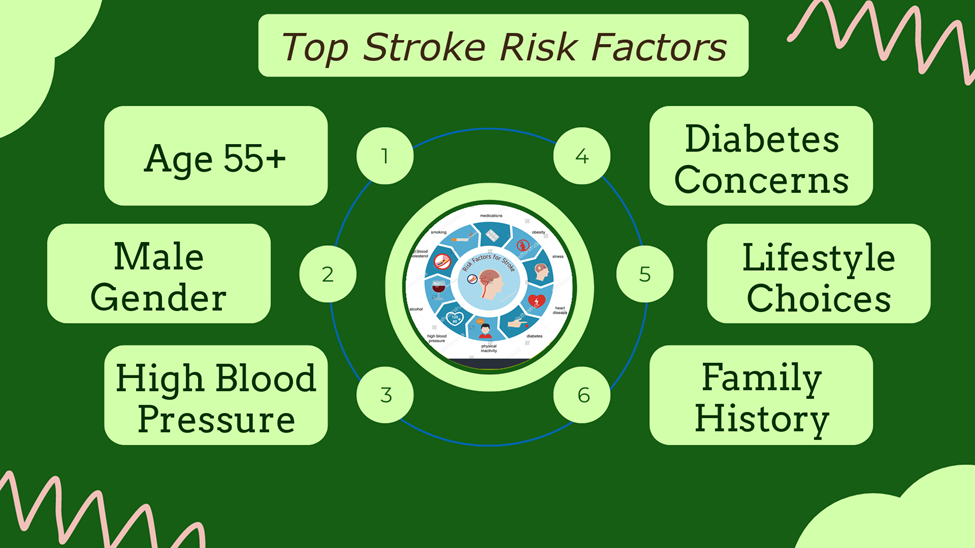
Some people are at higher risk for a brain stroke than others. Age is a factor; as people get older, the risk increases. Men tend to have strokes more than women, though women can be at risk too. Certain medical conditions, like high blood pressure and diabetes, raise stroke risk. A lifestyle with smoking, or lack of physical activity, can heighten this risk. Family history is also essential, as genetics can play a role. Knowing these factors helps in taking steps to lower risk. Simple lifestyle changes and regular medical check-ups can be effective preventive measures.
Myth-Busting Strokes: Dispelling Common Misconceptions
There are many myths about strokes that need clearing up. One myth is that brain strokes only affect older adults. Yet, they can happen to anyone, no matter the age. Another misconception is that recovery isn’t possible, which is incorrect. Early treatment often leads to better recovery. It’s important to know the signs and seek help immediately, as waiting can lessen treatment success. Some think only men get strokes, but women experience them too. Getting medical advice quickly and understanding brain strokes help in reducing risks and improving recovery chances.
Guidelines for Immediate Action During a Stroke
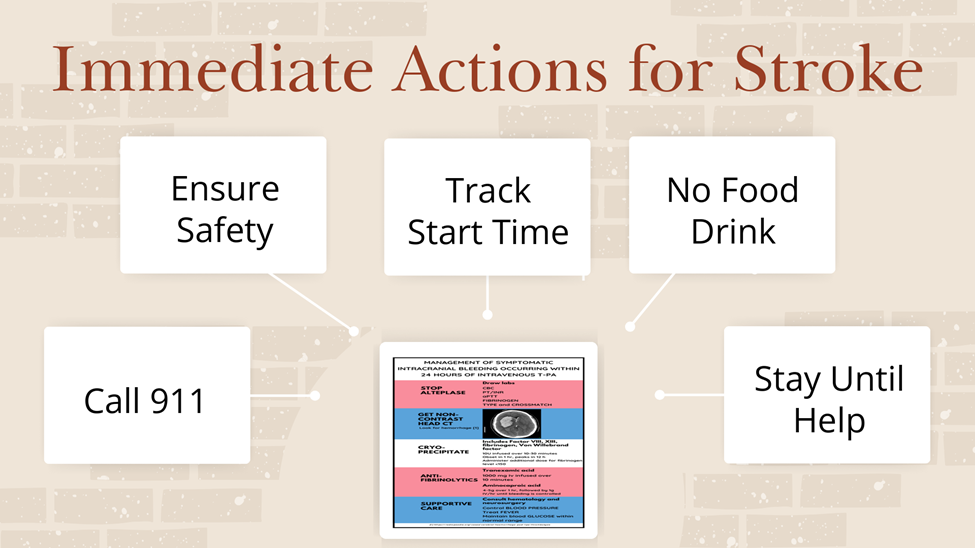
If you think someone is having a brain stroke, here’s what to do:
- Call emergency services quickly.
- Keep the person safe and calm.
- Note the time when symptoms started.
- Avoid food or drink to prevent choking.
- Stay with the person until help arrives.
Share this essential info with emergency responders. Remember, don’t attempt to drive the person to the hospital yourself; professional help is crucial. Trying to manage a brain stroke without medical assistance can lead to mistakes, such as giving medication without a diagnosis. Rapid, appropriate response can save lives and reduce disability.
Advancing Recovery: Life Post-Stroke and Preventive Measures
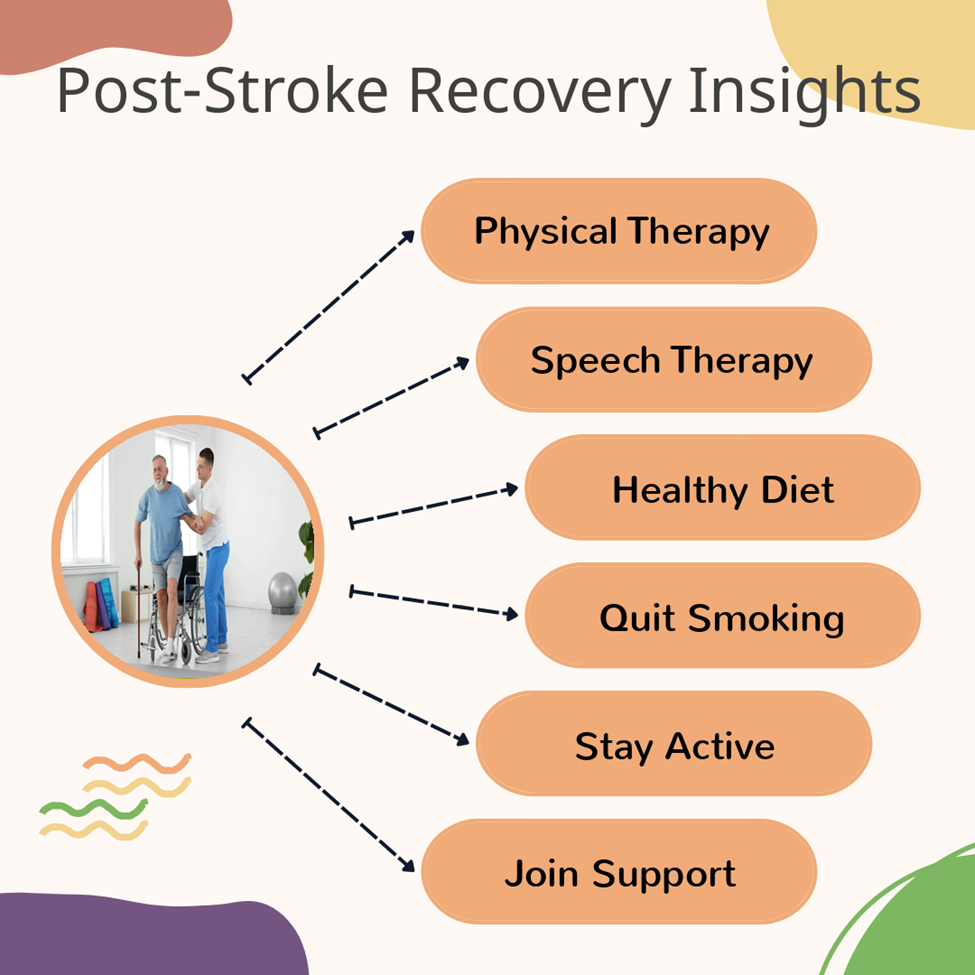
After surviving a brain stroke, recovery is the next big step. It involves rehabilitation, which can include physical therapy, speech therapy, and occupational therapy. These processes help regain skills and improve quality of life. Adopting new lifestyle habits is crucial; eating healthy, quitting smoking, and staying active can prevent future strokes. Support groups and online communities provide additional aid. Technological advances offer new tools for recovery, making rehabilitation more efficient. By taking these preventive measures and knowing support systems are available, life post-stroke can be managed effectively, ensuring a safer and healthier lifestyle.